

We are pleased to announce that the 67th IAS Annual ONLINE meetings will be held on Friday and Saturday, January 8–9 2027
Chair and co-chair: Sofía Chacaltana Cortez, Ph.D. and Carla Jaimes Betancourt, Ph.D.
The call for presentations will open from 15th of June until the 15th of October. The 2027 Annual meetings will be held online, where participants will present and discuss presentations and posters. Members, non-members, and students are all welcome to participate and submit proposals for presentations and posters in English and Spanish.
67th Annual Meeting Call for Submissions
Topical Theme:
Indigeneity:
Indigeneity is a historical and political category built in relation to the formation of nation-states, their legislative frameworks, and their projects of governance, identity, and territorial control, often articulated around notions of “development” (Canessa and Piqc, 2024). In the Andean region, in dialogue with broader processes in Latin America, narratives about the past have been constructed that have contributed both to the formation of national identities and to the recognition, denial, or marginalization of the rights of Indigenous peoples and other communities historically displaced or subordinated.
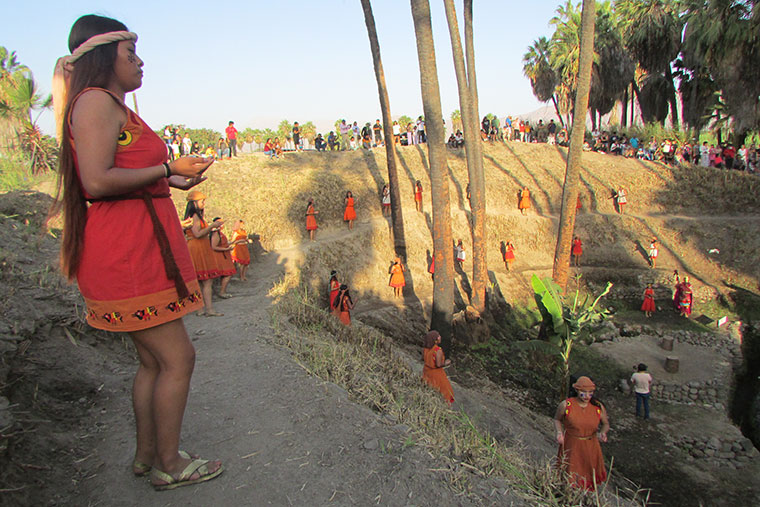
These narratives are not neutral: they have influenced contemporary demands related to self-determination, access to territory, the right to water, the recognition of their own histories, and the exercise of heritage in the places they inhabit, among others (Atalay, 2006). In this sense, indigeneity cannot be understood as a fixed or essential category, but rather as a dynamic field of negotiation, dispute, and re-signification over time.
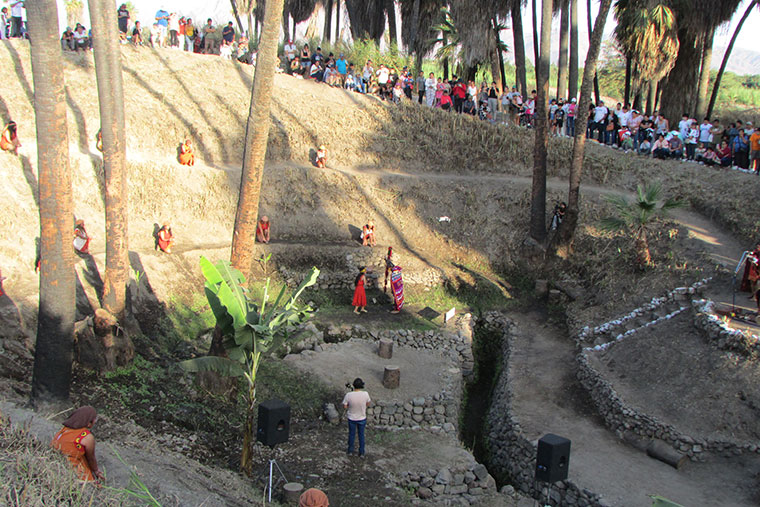
This IAS call on “indigeneity” invites critical reflection on how archaeological and related disciplines practices; carried out by researchers from diverse institutional and social contexts, as well as members of Indigenous communities, has contributed to the construction, negotiation, and contestation of indigeneity in the Andes from a diachronic perspective. We invite submissions that examine the intersections between archaeological knowledge and practice, processes of state formation, heritage policies, and their connections and tensions with Indigenous and other communities. Proposals that incorporate collaborative research approaches, Indigenous epistemologies, and Traditional Ecological Knowledge (TEK) are especially encouraged, as well as works addressing contemporary debates on land, water, and territorial rights (Atalay, 2006).
Topics may include, but are not necessarily limited to:
- Archaeology and history in the construction of national narratives in the Andes
- Heritage policies and the role of the state in defining indigeneity
- Indigenous participation in archaeological practice, interpretation, and management
- Collaborative archaeology and community-based approaches
- Traditional ecological knowledge and long-term environmental perspectives
- Archaeology, territory, and disputes over land and water
- Decolonial or Indigenous methodologies in Andean research
- Indigenities, climate change, and socio-environmental transformations.
- Multispecies relationalities and indigenous ontologies
This call seeks to promote critical discussions about the many ways in which indigeneity has been constructed, contested, and reinterpreted in the Andes. We welcome contributions from archaeology, anthropology, history, art history geography, ecology, heritage studies and related disciplines. Interdisciplinary proposals that integrate multiple lines of evidence, as well as those based on research conducted in collaboration with Indigenous communities are especially encouraged.